
Paver sealing for Indialantic homes
Paver Sealing in Indialantic, FL
Indialantic pavers on a rental or a family home get a free sealing estimate when you call (321) 766-8895.
- Brings out deeper paver color
- Fresh joint sand helps lock pavers in place
- Gives weeds less room to grow
- Makes the surface easier to keep clean
- Free estimate, no obligation
Request a Free Estimate
Free, no obligation.
Fast, careful paver sealing in Indialantic
Paver sealing is available in Indialantic, whether your home sits near Miramar Avenue, along Fifth Avenue or on a quiet side street. A local contractor washes and re-sands before sealing your drive, walks or pool deck, and the estimate is free. If you ask for a free estimate now, a reply reaches you within 1 business day, usually much sooner.
Maybe the driveway your guests park on has gone dull, and the joints near the curb have thinned out. A wash, new sand and a fresh coat can return one even color across the whole surface. If you want to talk first, call (321) 766-8895 and tell the contractor how the drive gets used. Nothing is locked in by asking, so the estimate is free and the next move is yours.
Why hire a local paver sealing contractor in Indialantic?
Indialantic is about one mile square, with homes close together and a town ordinance for vacation rentals. A local contractor can plan around guests and neighbors, and you can ask for a free estimate to hear how.
Free walk-through
Someone looks over your Indialantic drive or deck at no charge, then names a price before anything is agreed.
A number to check
The Space Coast range runs $1.85 to $4.00 per square foot to clean, sand and seal, which gives you a yardstick for any Indialantic bid.
Plan around guests
Share check-in dates and your own calendar, because sealer needs time to cure before cars return to the drive.
You decide
Date, finish and go-ahead are your calls, and an Indialantic estimate carries no obligation at any point.
Get Your Free Estimate in Indialantic
Tell us about your pavers in Indialantic.
Free, no obligation
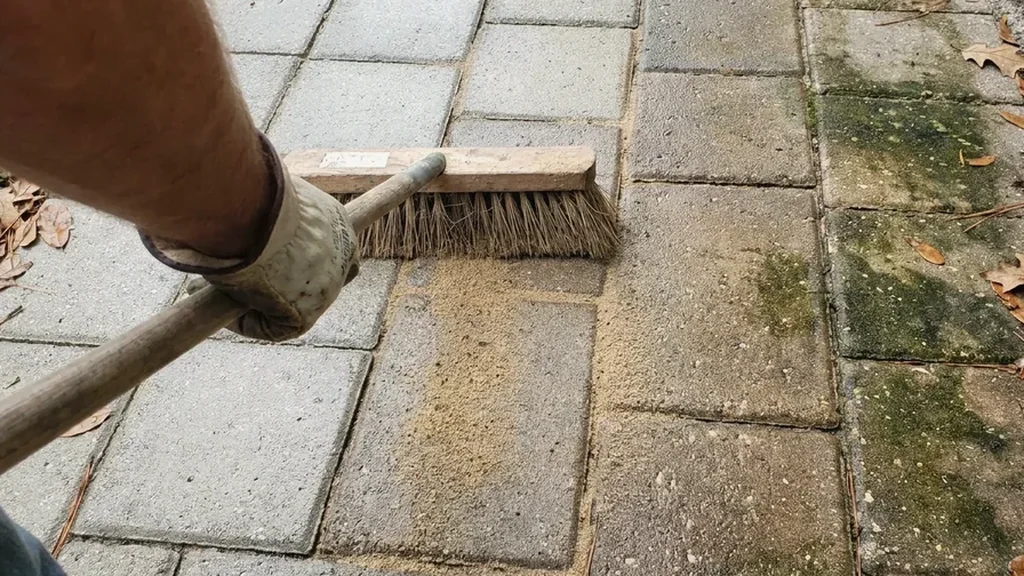
What paver problems show up most in Indialantic?
Rental traffic on one driveway
Town code requires a vacation rental to have at least two off-street parking spaces, and cars may not park on the street or in yards. That sends steady tire traffic onto the driveway. Heavy tire traffic scuffs a coat sooner, according to a Brevard company, so a drive that serves a rental may come due for a fresh coat earlier than a quiet single-family one. Tell the contractor how many cars park there in a typical week. That answer helps pick the finish. A matte finish hides tire marks better than a wet look. Ask your property manager how many cars park there during a busy week.
Edges where pavers meet a concrete curb
Town code asks for a concrete ribbon curb along the right-of-way edge of a driveway, and the owner keeps it up. Pavers end at that curb, and the joints along an edge see the most traffic and runoff. A contractor checks those edges first, since loose or low sand there lets pavers shift. Mention any spot where the edge has dipped or pulled away from the curb, so it is reset before sealing. The owner keeps that curb up, so point out any crack or gap at the first visit.
Pool decks close to a neighbor's fence
Pool decking can sit as near as 4 feet to an interior lot line, and fences run up to 6 feet tall along side and rear yards. That leaves little room for spray. Tape, plastic and a careful hand protect the fence, the screen and the plants, and the deck needs a slip-resistant sealer. Ask the contractor how the screen cage and any glass doors will be covered before work begins. Overspray on a neighbor's fence is a quick way to lose goodwill, so the masking is worth the time. Town code also asks for a pool barrier at least 4 feet high, which shapes where tape and plastic can go.
A cloudy film from an earlier coat
A Brevard company says a white cloudy film after sealing usually comes from improper application or sealer buildup, and the fix is stripping and starting over. If your Indialantic pavers look milky in spots, a past coat may be the cause. The contractor tests a small area before any new sealer goes on. A coat that looks even in one corner can still hide trouble elsewhere, which is why the test patch matters. The contractor may strip a small test area first to learn how the old coat behaves.
Orange streaks from sprinkler spray
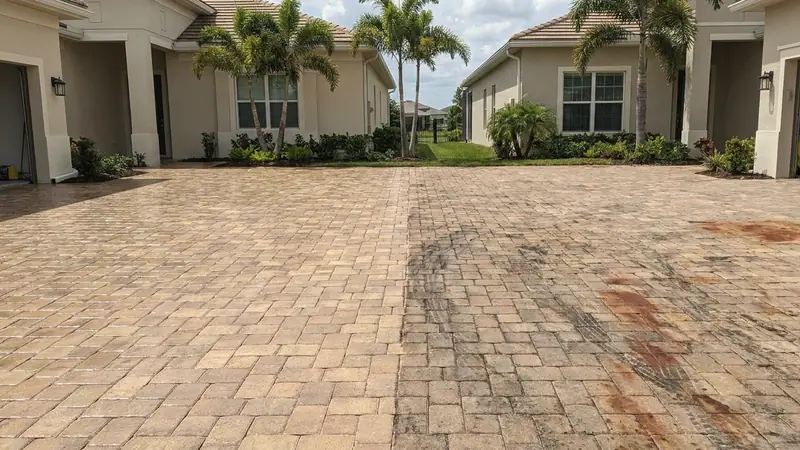
Iron is plentiful in Florida well water, say University of Florida extension staff, and it leaves orange stains behind. A paver company in Brevard says a product can neutralize sprinkler rust. Rust left under sealer stays locked in, which means a streaked Indialantic drive gets treated first and sealed after. Aiming sprinkler heads away from the pavers cuts down on new streaks. Ask where the sprinkler zones run, so the worst spots are checked first. A neutralizing treatment can remove many sprinkler rust marks before sealing, according to a Brevard company.
Which Indialantic streets can get paver sealing, and do rentals change the plan?
Every street can, since the town is only about one mile by one mile between the lagoon and the ocean. Miramar Avenue carries A1A and Fifth Avenue carries US 192, and most blocks run about 650 feet. Give the contractor your street and the nearest corner when you ask for a free estimate. If you share a drive or a fence line with a neighbor, mention that too.
Rentals and second homes change the plan a little. The 2020 census counted 1,586 housing units in town, and 13.7 percent were vacant, with a rental vacancy rate of 16.5 percent. An empty house is easy to schedule around, so ask for a time when no guests are due. Call (321) 766-8895 and share the calendar.
Town code adds a few shape rules that touch pavers. Driveways must be at least 8 feet wide and edged with a concrete ribbon curb, and pool decking sits 4 feet or more from lot lines. A quick sketch of your yard helps the contractor measure. When you are ready, ask for a free estimate and mention which of those features you have.
Town code limits fences to side and rear yards, at up to 6 feet. That leaves front drives and walks open to sun and rain all day. Backyard pool decks sit behind those fences, at least 4 feet from lot lines. A short note about gates or fence lines helps the crew plan access, so tell the contractor which surface you mean when you ask for a free estimate.
What does paver sealing cost in Indialantic?
Published Space Coast rates run $1.85 to $4.00 per square foot for the wash, new joint sand and sealer. Picture a short rental driveway with a concrete curb, plus a deep pool deck behind a fence: each lands somewhere different inside that span. One Brevard firm ties the final number to square footage, access and how dirty the surface is. ask for a free estimate and the free estimate will show where yours falls.
Stains, old coatings and tight access add work. A milky older coat may need stripping, and rust streaks need their own treatment first. Near a pool, the sealer has to resist chemicals and still grip wet feet. Call (321) 766-8895 and the contractor can say up front which of these apply to your lot.
| Paved area | Typical example | Clean, sand and seal |
|---|---|---|
| 300 sq ft | Small patio or walkway | $555 to $1,200 |
| 600 sq ft | Two car driveway | $1,110 to $2,400 |
| 1,000 sq ft | Large driveway or pool deck | $1,850 to $4,000 |
| 1,500 sq ft | Driveway plus pool deck | $2,775 to $6,000 |
Math based on the $1.85 to $4.00 per square foot that Space Coast paver companies publish. Your contractor sets the actual price after seeing the surface. Repairs, leveling and stripping failed sealer are usually extra.
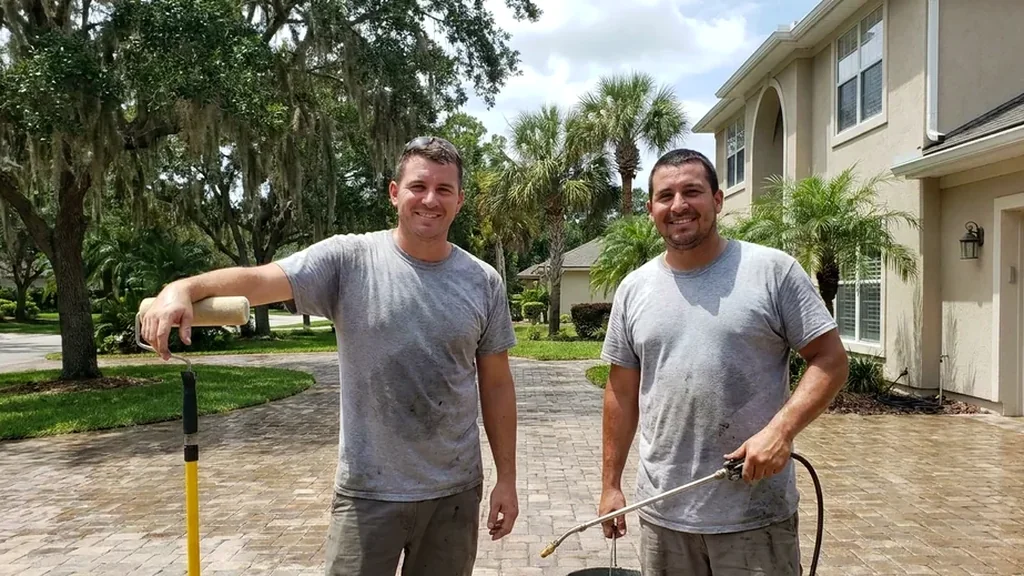
How does a paver sealing job work in Indialantic?
Walk the lot with the owner or manager
The contractor looks at how the drive is used, where the concrete curb meets the pavers, and what coat is already down. Low or lifted spots get noted for repair, since sealer preserves a dip. Say whether the pavers were sealed before, since the old product limits what can go on top of it and water-based and solvent-based coats do not mix. Photos of any milky or peeling spots help the contractor plan the cleaning. Measure the drive and the deck with the contractor so the price matches the real area. The 8-foot minimum driveway width in town code is a handy number when you describe your drive.
Clean with the plants and fences in mind
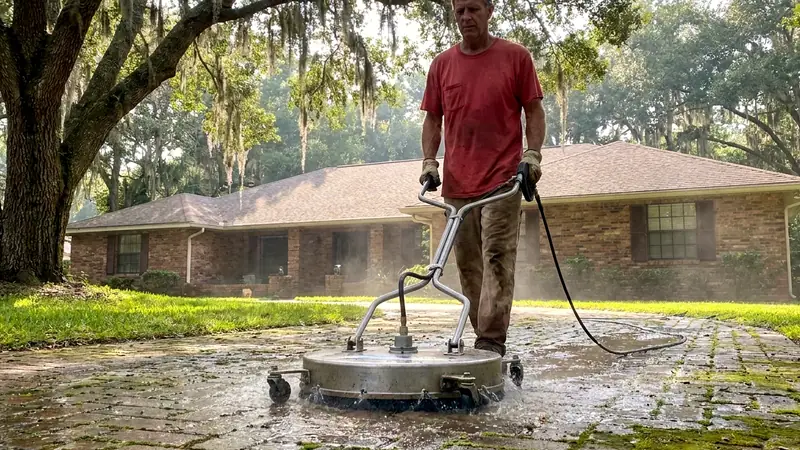
Washing clears salt film, green growth and rust. A Brevard company uses algae treatment and a degreaser before the wash. Near a six-foot fence or a pool screen, the crew tapes and covers what could catch overspray. Gentle pressure keeps sand in the joints. Rust gets its own treatment at this stage, since sealer would trap it. Pavers by the curb get a closer look because runoff and tires meet there. On a small lot, the crew plans where the rinse water will run before the first spray.
Re-sand and let the joints settle
Washing removes joint sand, so the contractor replaces it before any coat goes on. One Brevard company uses anti-algae sand, wets it in, and checks the height. Full joints keep pavers from shifting under parked cars. A check of the edges by the curb comes last. Expect this step to take longer if the joints have been low for years. The joints are swept clean once the sand has been wet in and checked. Sand height gets checked at the end, since low joints let pavers rock.
Confirm the surface is truly dry
Sealer needs a dry surface. A Palm Bay area company also warns that a surface above 90 degrees can cause bond failure, and pavers run hotter than the air. A contractor may start early in the day or wait. Humid mornings on an island between two waters slow the dry-down. A reading of the paver surface, not just the air, tells the contractor when it is safe to start. If the morning stays damp, the start moves to the afternoon or the next day. Early starts help, because the paver surface warms faster than the air.
Seal in layers and set the stay-off dates
The coat itself goes on in whichever finish you selected. One company sprays a flood coat, checks it, then adds a final coat. One firm treats the coat as safe from rain after roughly an hour but keeps cars off for 72 hours. For a rental, schedule guests around that wait. Ask for care notes, including when to run a water test on the coat again. Rental owners can set check-in dates after the cure window ends. Foot traffic waits until the contractor says the coat has set.
Complete paver services in Indialantic
Work on an Indialantic drive runs in five stages: a wash, stain treatment, new joint sand, drying time, then the coat. Dirt trapped under a coat stays visible for years, so nothing skips ahead. A contractor can split the work across two days so the pavers dry in between. To ask how that would fit your week, call (321) 766-8895.
Driveways carry the most weight, pool decks need slip resistance, and walkways between houses often stay shaded. A drive that serves a rental takes more tires than one for a single family. Tell the contractor how each surface is used when you ask for a free estimate, and the plan can match the wear. Between-house walks often stay damp.
Finish and product come next, and matte shows scuffs less than a wet look that deepens color. An old solvent coat rules out a water-based top coat, so what is down already picks the product. A paver company in Brevard says to reseal after 18 months at the least. Call (321) 766-8895 to talk through the choice.
Weather sets the calendar. The Melbourne area has about 100 to 105 rain days a year, and sealer needs a dry surface. Rain stops mattering after about an hour, yet cars should wait much longer. If guests arrive soon, a contractor may suggest the next dry window, so ask for a free estimate and ask what is open.
Questions to ask before you hire
- How often should I plan to reseal in Florida sun and summer rain?
- Is the quote priced per square foot, and what does that add up to for my driveway?
- How do you keep sealer off my lawn, my plants and the edge of the pool?
- How long until cars can drive on the driveway and people can walk on the patio?
- What happens if an afternoon storm rolls in the day you planned to seal?
- Do you add a slip-resistant additive when you seal a pool deck?
- Do you pressure wash the pavers and refill the joint sand before any sealer goes on?
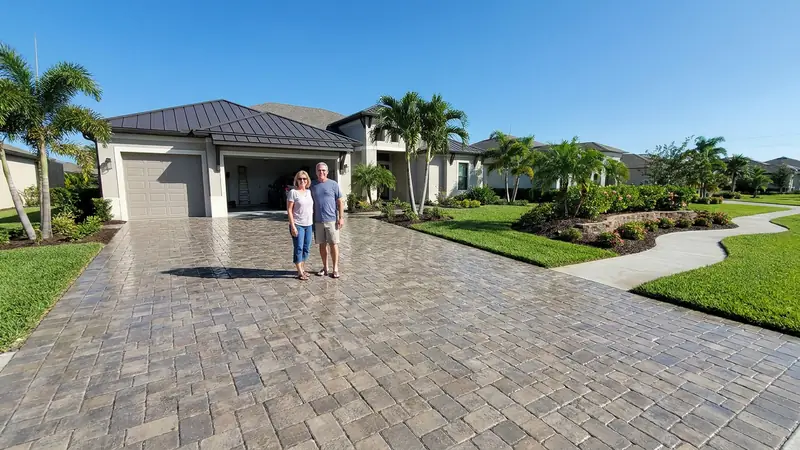
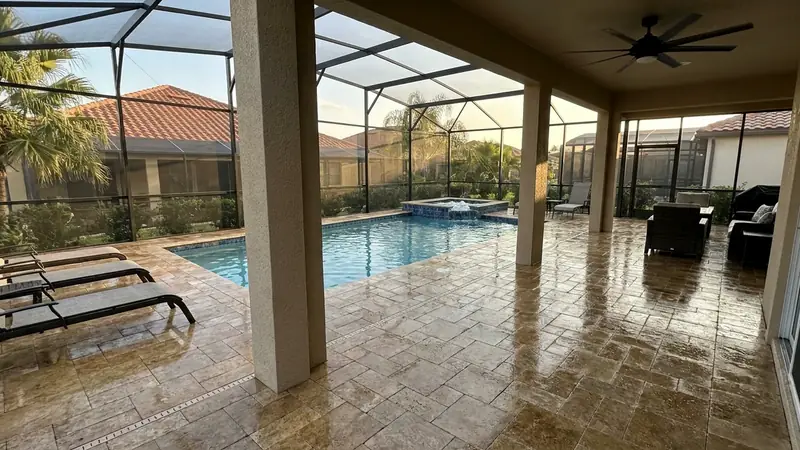
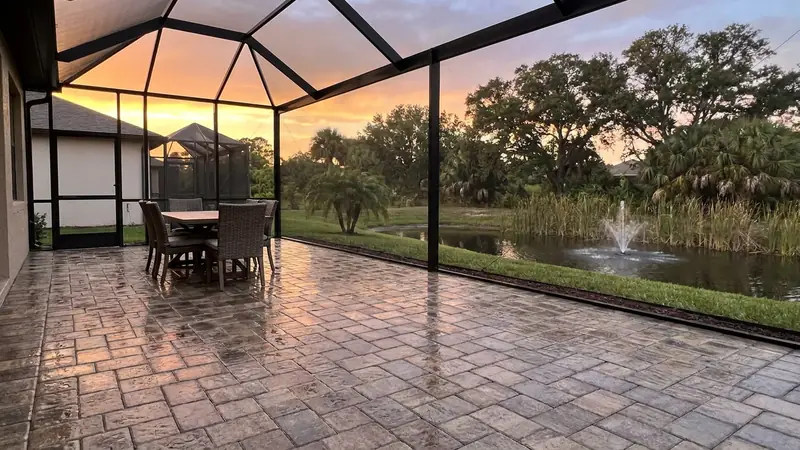
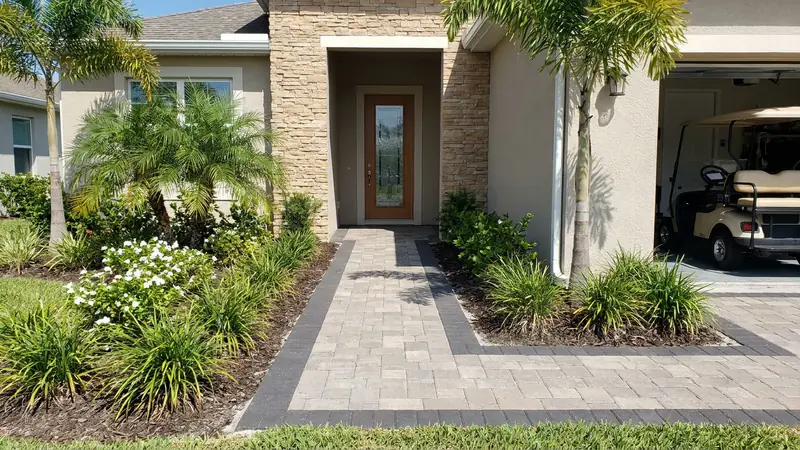
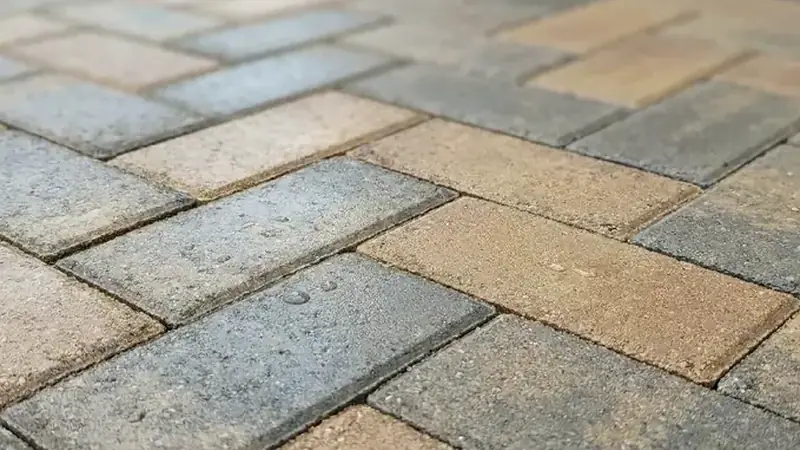
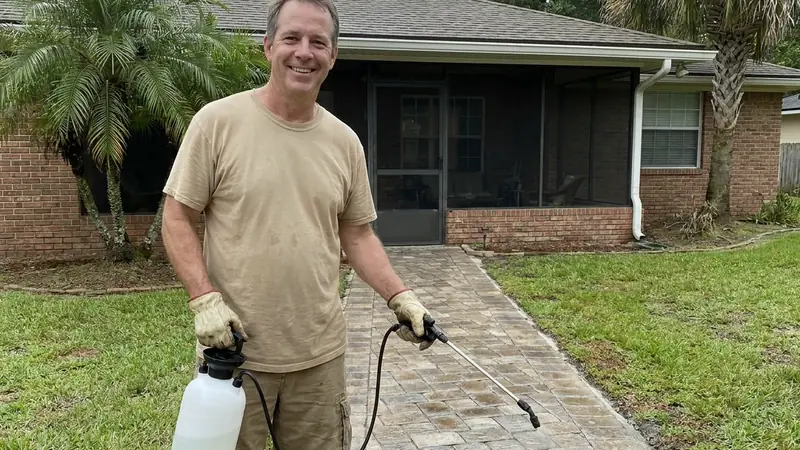
What do sealed pavers look like around Indialantic?
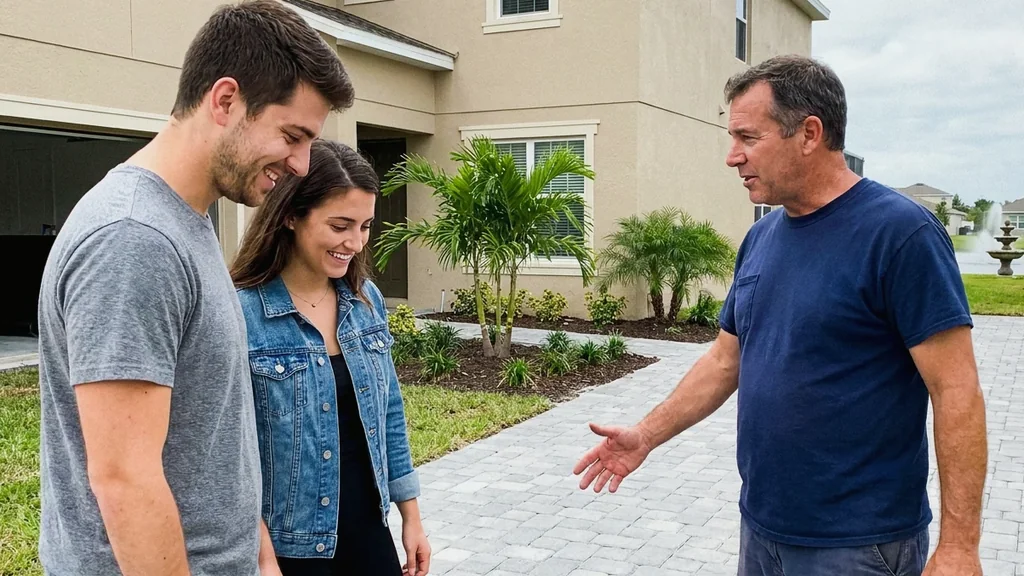
Why local matters in Indialantic
A contractor who knows Indialantic knows the town runs on short blocks and close lots. Trucks, hoses and sand have to fit between houses and fences, so a local crew plans the route first. Someone from across the county may skip that step. If you want a contractor who covers the strip between lagoon and ocean, call (321) 766-8895.
Local contractors also know that many homes here are not lived in year-round. The 2020 census counted 13.7 percent of housing units as vacant, so work can often happen while no one is home. A good contractor asks about guest dates before picking a day. You can ask for a free estimate and share the calendar.
Town rules matter too, since driveways need a concrete curb and pool decks keep set distances from neighbors. A local contractor sees those details every week. That helps the estimate match the real yard. If you want that kind of plan, ask for a free estimate and describe your lot, with no obligation to hire anyone.
What landmarks mark Indialantic's center, and where does my street fit?
Nance Park marks the middle of town, on the same ground where the Indialantic Casino stood by 1924. The park now hosts a July craft show, an October Halloween 5K and a December tree lighting. Homes near the park often keep their driveways and walks busy during those events. If you live nearby and the pavers look tired, ask for a free estimate.
Ernest Kouwenhoven platted Indialantic-By-The-Sea around 1915 to 1917, and the Indialantic Hotel, later the Tradewinds Hotel, followed on South Shannon Avenue in the 1920s. The town incorporated in 1952, and in 1975 it was named a bird sanctuary. Along Miramar Avenue and Fifth Avenue, call (321) 766-8895 and name your block. Those dates give your block a longer story than its size suggests.
The 2020 census counted 1,368 households in town, and 28.6 percent were one-person households. The median age was 52.2. Indialantic Elementary and Hoover Middle sit outside the town limits, so most daily traffic comes from rentals and neighbors. If your pavers have tired, ask for a free estimate and describe how long it has been.
The town maintains 95,568 feet of roadway across 1.31 square miles, and the 2020 census counted 3,010 residents. Salt, acid rain, moisture and heat all wear on pavers, according to one Brevard paver company. A short note on how old the coat is helps the contractor plan. If your drive looks dull after a few seasons, call (321) 766-8895 and name your street.
Frequently Asked Questions
How much does it cost to have pavers cleaned and sealed in Indialantic?
Published Space Coast rates run $1.85 to $4.00 per square foot for washing, sanding and sealing, which gives you a frame for any Indialantic quote. Your own number moves with square footage, access and cleaning needs. Ask that the total area be written on the quote, then divide. A long drive or wide pool deck adds to the total even when the rate stays the same.
How often do Indialantic pavers need sealing again?
The usual advice from companies is a new coat every two to five years. One Brevard company advises waiting at least 18 months and calls 2 to 3 years typical for drives and pool decks. A rental drive takes more wear, so lean toward the short end. A quick water test tells you more than the calendar does.
Is it better to spray or roll paver sealer in Indialantic?
Many Brevard companies apply sealer with a sprayer. One lays down a flood coat, looks over the surface, then adds a finish coat. Ask the contractor which method fits your pavers and how the joints get covered. Prep and dry time matter more than the tool.
Do patio pavers need to be sealed in Indialantic?
Sealing is a choice, but it protects the surface from sun, salt and stains. A Brevard company links bare pavers with fading in humid, salty air. A shaded patio between houses may also grow algae, which sealing helps slow. Ask the contractor how your patio looks now before you decide.
What do professionals use to seal pavers in Indialantic?
Professionals use water-based or solvent-based sealers, and the old coat decides which can go on. One Brevard company sprays a deep flood coat then a final coat, and a Satellite Beach company uses a two-part urethane. Ask for the product name so you can keep it for the next coat. That record also helps if you hire a different contractor later.
How long before I can park on a sealed Indialantic driveway?
One Brevard company puts it at 45 minutes to an hour before rain can hit the sealer, a full cure in 48 hours, and 72 hours before cars return. For a rental, schedule guest arrivals after that window. Your contractor can confirm the timing for the product used. Keep feet and tires off until the contractor gives the all clear.
Why do some pavers look cloudy after sealing in Indialantic?
A white cloudy film usually means the sealer was applied wrong or built up too thick. A Brevard company says the fix is stripping the coat and starting over. Ask the contractor to test a small area first. A small test patch shows whether the problem is a thin film or a thick one.
Does a vacation rental driveway need sealing more often?
It can, since town code keeps rental cars on the driveway and off the street. A Brevard company notes that busy areas may wear a coat out sooner. Pour a little water on the surface: if it soaks in at once, the coat is spent. A rental with several cars parked on site deserves a look every year.
Do Indialantic pool deck pavers need a different sealer?
Yes, since pool deck pavers call for a sealer built for chemical exposure and traction. A pool deck lives with chlorine, salt water, sun and damp all day. Mention the pool at the first visit so the product and the masking plan fit. Slip resistance matters most near steps and the pool edge.
Will sprinkler rust stain my Indialantic pavers?
Many Florida wells carry iron, and that can leave orange-brown rust streaks where sprinklers spray. One Brevard paver company says sprinkler rust can be neutralized before sealing. Point out the stained spots on your first visit. Ask the contractor how it treats them.
Does heat matter when sealing pavers in Indialantic?
Yes, because sealer needs a completely dry surface. A Palm Bay area company says a surface above 90 degrees Fahrenheit during or just after application can cause bond failure. A job may start early or shift a day. Ask your contractor how it checks surface heat.
Ready for a Free Estimate in Indialantic?
Call (321) 766-8895 and tell us about your pavers.
Free, no obligation